Repairs That Stop Water Where It Starts
Roof Repair in Terrebonne for leaks, missing shingles, damaged flashing, and storm-related failures
When ceiling stains appear or water drips into your attic space during rain, the problem originates at a specific breach in the roofing system where flashing has separated, shingles have lifted, or sealant has failed around a penetration. Lift & Relay Construction LLC performs roof repairs throughout Terrebonne and the surrounding Central Oregon region by identifying the exact entry point through systematic inspection, then restoring the weather barrier with materials and methods that match the existing roof system. Prompt repairs prevent the moisture intrusion from migrating along rafters, soaking insulation, or deteriorating the roof decking into a structural issue that requires far more invasive correction.
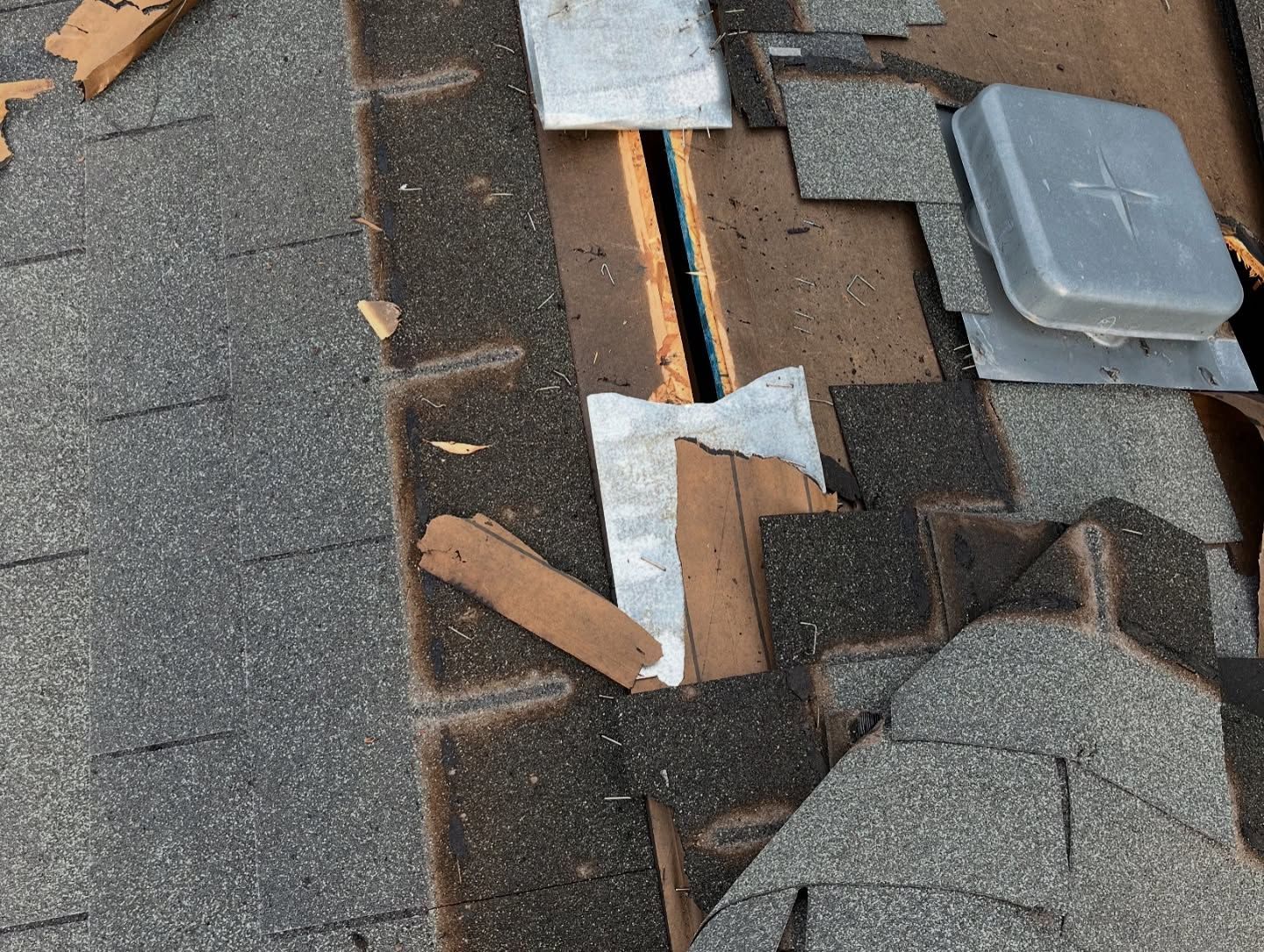
Thorough inspections trace interior water evidence back to the exterior breach by checking valleys where two roof planes meet, examining step flashing along sidewalls and chimneys, and testing the integrity of pipe boot seals and ridge vent attachment points. Storm damage often appears as shingles torn free by wind uplift, punctures from fallen limbs, or granule loss from hail impact that exposes the underlying mat to accelerated UV degradation. The repair process replaces only the compromised components while integrating new materials into the existing system so that sealant lines, underlayment laps, and fastener patterns maintain continuous protection.
Schedule a roof inspection to determine the source and extent of the damage before moisture spreads beyond the initial breach.
Why Immediate Repairs Extend Roof Life
Addressing roof failures quickly stops water from traveling horizontally under shingles or along the underlayment plane, where it can remain trapped and cause rot in decking that won't be visible until the damage becomes structural. Each repair isolates the damaged area, removes any wet or compromised material, and rebuilds the layered assembly so that water sheds properly from the surface instead of finding pathways into the building envelope.
After the repair is complete, you'll notice that interior dripping stops, attic insulation remains dry during subsequent storms, and ceiling stains no longer expand with each weather event. Flashing repairs restore the sealed transition between the roof plane and vertical surfaces, preventing the gaps that allow wind-driven rain to enter even when shingles appear intact. Shingle replacement blend with the surrounding material when the existing roof color and style are still available, though weathering differences may remain visible until the entire surface ages uniformly over time.
Quality repairs include replacing any damaged underlayment in the affected area, verifying that fasteners penetrate solid decking rather than spanning voids, and applying sealant to all nail heads and edges where new material overlaps old. Storm-related repairs sometimes reveal broader issues such as inadequate attachment of the original installation or missing ice and water shield in vulnerable areas, which can be corrected during the repair visit to prevent future failures.
Answers to Frequent Service Questions
Property owners dealing with roof damage often ask about response time, repair longevity, and how to prevent recurring issues.
How do you locate the exact source of a roof leak when the interior stain is far from the exterior breach?
Water enters at the failure point but often travels along rafters or top plates before dripping through the ceiling, so inspection involves working backward from the interior evidence, measuring distances to fixed reference points, then checking the corresponding exterior area for damaged shingles, lifted flashing, or failed sealant joints.
What roof problems require immediate repair versus those that can wait?
Active leaks, missing shingles that expose underlayment to direct weather, and separated flashing around chimneys or skylights all warrant fast response because each rain event compounds the damage, while cosmetic issues like minor granule loss or superficial cracks can be monitored during regular inspections without urgent intervention.
Can repairs be made during Central Oregon's winter months or only in dry weather?
Most repairs can proceed as long as temperatures remain above the minimum required for sealant activation and shingle flexibility, though ice dams or snow-covered roofs require clearing before the damaged area becomes accessible for safe work.
How long do properly completed repairs last before the area needs attention again?
Repairs using quality materials and correct integration techniques perform as long as the surrounding original roof system, often extending serviceable life by another five to ten years when the overall roof condition remains sound and the repair addressed a localized failure rather than systemic deterioration.
What's included in a roof inspection before repair work begins?
The inspection documents all visible damage, checks for secondary issues in adjacent areas, photographs the conditions for reference, and provides a written scope detailing which components need replacement, what materials will be used, and how the repair integrates with your existing roofing system.
Lift & Relay Construction LLC responds quickly to repair requests and provides inspections that identify not just the immediate problem but any related vulnerabilities that could lead to future failures. Arrange an on-site evaluation to assess your roof's current condition and receive a detailed repair recommendation.